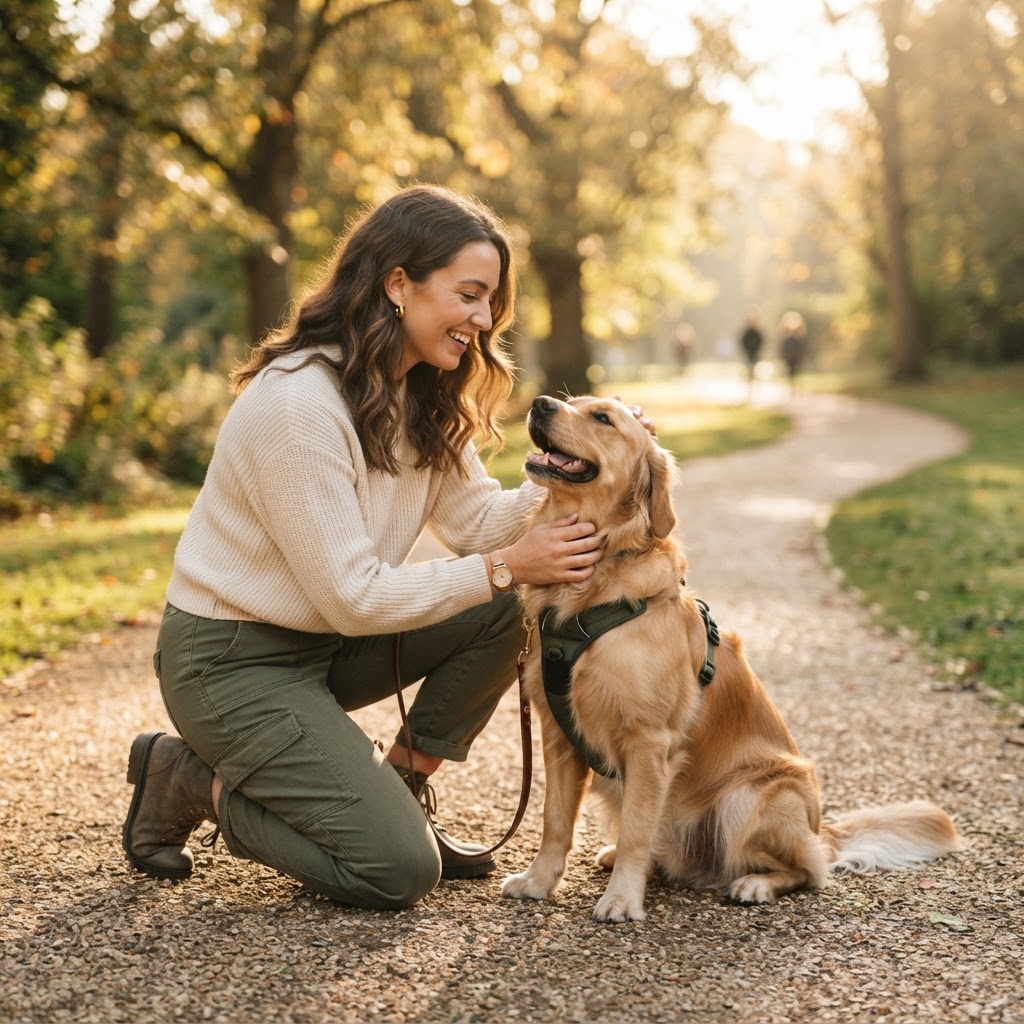
10 Most Important Things to Know Before You Adopt a Dog
Millions of dogs enter shelters every year — most because their owners were unprepared, not because of the dogs themselves. This fact-based guide, grounded in veterinary science and animal welfare research, walks you through the 10 things to honestly evaluate before you bring a dog home.

A fact-based guide grounded in veterinary science and animal welfare research
Adopting a dog is one of the most rewarding decisions you can make — but it is also one of the most consequential. Every year, millions of dogs enter shelters across the world, and a significant number of them are there not because of any fault of their own, but because their previous owners were unprepared for the realities of dog ownership.
According to data analysed by the ASPCA and Best Friends Animal Society, the leading reasons for pet surrender are overwhelmingly human reasons — housing constraints, financial inability, lack of time, and unmanaged behavioral issues — not problems inherent to the dogs themselves.
This article exists to ensure you don't become part of that statistic. Here are the 10 most important things every person must honestly evaluate before they bring a dog home.

1. It Is a 10- to 15-Year Commitment — Not a Phase
A dog is not a purchase you can return. The average lifespan of a dog ranges from 10 to 13 years, with smaller breeds often living 12 to 16+ years and larger breeds averaging 8 to 12 years (PetMD; Royal Canin). Giant breeds like Great Danes may be considered seniors by age 5–6, while small breeds like Chihuahuas may not reach their senior years until age 10–11.
This means you are signing up for a decade or more of daily responsibility — through job changes, relocations, relationships, and life transitions.
Ask yourself:
- Where will I be in 5, 10, or 15 years?
- Am I prepared to adjust my life around this animal for its entire natural lifespan?
- If my circumstances change, do I have a plan to continue providing care?
Fact: The AVMA defines responsible pet ownership as "a lifelong commitment to the animal's well-being." This is not rhetoric — it is the clinical standard.
2. You Must Be Financially Prepared — Not Just Emotionally Ready
Love alone cannot feed, vaccinate, or treat a sick dog. Dog ownership carries substantial and recurring costs that many first-time adopters underestimate.
Estimated Costs (United States, Typical Household):
| Category | Small Dog | Medium Dog | Large Dog |
|---|---|---|---|
| Food | $30–$60/month | $50–$90/month | $80–$150/month |
| Wellness Exams | $50–$250/year | $50–$250/year | $50–$250/year |
| Vaccinations | $20–$60/shot | $20–$60/shot | $20–$60/shot |
| Parasite Prevention | $15–$50/month | $15–$50/month | $15–$50/month |
| Spaying/Neutering | $150–$700 (one-time) | $150–$700 (one-time) | $150–$700 (one-time) |
Beyond routine costs, emergency veterinary care can run into thousands of dollars with no warning. A broken leg, an intestinal blockage, a sudden illness — these are not rare events; they are statistical certainties over a dog's lifetime.
Fact: Research shows that many owners underestimate the total lifetime cost of care, and unexpected veterinary bills are a primary source of financial anxiety — and a leading driver of pet surrender (ASPCA; Best Friends Animal Society).
Recommendation: Before adopting, build an emergency fund or explore pet health insurance (typically $30–$70/month) as a financial safety net.
3. Your Lifestyle Must Match the Dog — Not the Other Way Around
One of the most common and damaging mistakes new adopters make is choosing a dog based on appearance rather than compatibility.

Exercise Requirements by Energy Level:
| Dog Type | Daily Exercise Needed | Examples |
|---|---|---|
| High-Energy/Working | 1.5–2 hours of vigorous activity | Border Collies, German Shepherds, Labradors |
| Moderate/Companion | ~60 minutes of structured activity | Terriers, many Hounds |
| Low-Energy/Sedentary | 30–60 minutes of gentle walks | Pugs, Bulldogs, Shih Tzus |
A Border Collie in a small apartment with an owner who works 12-hour shifts is a recipe for destruction — of furniture, of the dog's mental health, and of your patience.
Fact: The AVMA explicitly advises prospective owners to "choose a dog that suits your home, activity level, and family situation" and warns against impulsive decisions.
Beyond exercise, consider:
- Your work schedule: Puppies require supervision every few hours. Can you come home at lunch? Can you afford daycare?
- Your travel frequency: Who cares for the dog when you're away?
- Your social habits: Dogs are social animals. If you are gone most evenings, your dog will suffer from isolation.
4. Research the Breed (or Mix) Thoroughly — Every Dog Is Different
Not all dogs are the same. Breed-specific traits — energy levels, grooming needs, health predispositions, temperament, and climate tolerance — vary enormously.
Critical Breed-Specific Considerations:
- Climate Sensitivity: Brachycephalic (flat-faced) breeds like Pugs and French Bulldogs struggle in hot, humid climates due to compromised airways (VCA Hospitals). Thick-coated breeds like Huskies need extra cooling measures in summer.
- Health Predispositions: Large breeds are prone to hip dysplasia and joint disorders. Deep-chested breeds (Great Danes, Boxers) are at higher risk of gastric dilatation-volvulus (bloat), a life-threatening emergency.
- Mental Stimulation Needs: Intelligent working breeds (Shepherds, Herding dogs) can develop destructive or anxious behaviors if they lack a "job" or mental challenge. Puzzle toys, obedience training, and interactive play are non-negotiable for these breeds (Hill's Pet Nutrition; AKC).
- Grooming Demands: Some breeds require professional grooming every 4–6 weeks. Others shed heavily year-round.
If you are adopting a mixed-breed dog from a shelter, ask the staff about the dog's known history, observed temperament, and any behavioral assessments conducted.
Fact: The ASPCA recommends asking shelter staff specific questions: Is the dog house-trained? How does it behave around children, strangers, and other animals? Are there known triggers such as food aggression or separation anxiety?
5. Establish a Veterinary Relationship Before You Adopt
Many first-time adopters wait until after bringing the dog home to find a vet. This is a mistake.

Why consult a vet early:
- A veterinarian can advise you on which breeds or types match your specific lifestyle and health considerations.
- They can outline the full schedule of vaccinations, deworming, and preventive care your dog will need.
- They can help you prepare for breed-specific health risks.
Core Veterinary Care Requirements:
| Service | Frequency |
|---|---|
| Wellness Exam | At least annually (biannually for seniors) |
| Core Vaccinations (Rabies, DHPP) | As per veterinary schedule |
| Parasite Prevention (Flea, Tick, Heartworm) | Monthly |
| Dental Care | Annual professional cleaning recommended |
| Spay/Neuter Consultation | As advised by vet (breed/age-dependent) |
Fact: Approximately 47.7% of dog owners visit a veterinary clinic twice a year, while 26.8% visit three or more times. Regular preventive care is a primary driver behind the increase in pet life expectancy over recent decades.
Also identify in advance: A reliable groomer, a certified dog trainer, and a trusted pet sitter or boarding facility. Building this support network before adoption prevents last-minute crises.
6. Training and Socialization Are Not Optional — They Are Essential
Behavioral problems are consistently cited as a leading cause of pet relinquishment and shelter returns. Research published in veterinary journals indicates that nearly two-thirds of returned shelter animals are surrendered due to behavioral issues, with aggression frequently reported as a major factor (NIH; Journal of Applied Animal Welfare Science).
The good news: most behavioral problems are preventable through early training and socialization.
The Critical Socialization Window
- Timeframe: 3 to 16 weeks of age.
- What happens: During this period, a puppy's brain is maximally receptive to new experiences. Positive exposure to diverse people, animals, environments, sounds, and textures teaches the puppy that the world is safe.
- What happens without it: Puppies that miss this window are at significantly higher risk of developing fear-based aggression, anxiety, reactivity, and destructiveness as adults. These effects are often irreversible.
Fact: Veterinary behavior experts, including the American Veterinary Society of Animal Behavior (AVSAB), state that the risks of behavioral problems from inadequate socialization outweigh the risks of infectious disease exposure during the socialization period (Penn State Extension; RSPCA Australia).
For adult rescue dogs: Socialization is still possible but requires patience, consistency, and often professional guidance. Invest in positive-reinforcement training classes — they improve behavior, strengthen the bond, and dramatically increase the likelihood that the dog stays in your home permanently.
Fact: Research shows that dogs participating in structured puppy socialization and training programs have significantly higher retention rates in their homes (Ovid/Wolters Kluwer peer-reviewed study).
7. Your Home Must Be Safe and Prepared
Before your dog arrives, your home needs to be "dog-proofed" — just as you would child-proof a home for a toddler.

Dog-Proofing Checklist:
- Remove toxic substances: Chocolate, grapes, onions, xylitol (artificial sweetener), certain houseplants, cleaning chemicals, and medications must be secured or removed (ASPCA Poison Control; Chewy).
- Secure electrical cords and small objects: Dogs, especially puppies, explore the world with their mouths.
- Block unsafe areas: Use baby gates to restrict access to rooms or areas that are not yet safe.
- Create a "den" space: Set up a crate or a dedicated quiet area with comfortable bedding where the dog can retreat and feel secure. This is especially critical for rescue dogs who may be anxious in a new environment.
Essential Supplies to Have Ready:
- Collar, leash, and ID tags (with your current phone number)
- Age-appropriate, high-quality food
- Food and water bowls
- A comfortable bed or crate
- Chew toys and enrichment toys
- Waste bags
Fact: The American Humane Society and Petfinder both recommend having all supplies purchased and the home fully prepared before the dog arrives — not after.
8. Every Member of Your Household Must Be On Board
A dog affects everyone in the home. The decision to adopt must be unanimous and informed.
Key Household Considerations:
- Children: Not all dogs are safe with young children, and not all children know how to interact safely with dogs. The ASPCA recommends involving all family members — including children — in the meet-and-greet process before adoption.
- Other Pets: Existing pets must be introduced to the new dog in a controlled, gradual manner. Many shelters offer "meet and greets" with resident pets to assess compatibility before finalizing adoption.
- Allergies: Dog allergies affect a significant percentage of the population. If any household member has known pet allergies, consult an allergist before committing.
- Landlord/Housing Rules: Verify that your lease or homeowners association permits dogs. Breed-specific restrictions, size limits, and pet deposits are common. Housing issues are one of the top reasons dogs are surrendered to shelters (ASPCA; NIH).
- Shared Responsibility: Decide clearly — before adoption — who handles feeding, walking, vet visits, grooming, and training. Vague expectations lead to resentment and neglect.
Fact: According to ASPCA research, housing constraints and "too many animals in the household" are among the most frequently cited reasons for pet surrender — outranking behavioral or medical issues.
9. Microchipping and Proper Identification Can Save Your Dog's Life
Lost dogs are a reality. Gates get left open, leashes slip, thunderstorms cause panic. Permanent identification is not a luxury — it is a necessity.
Microchip vs. No Microchip — Reunification Rates:
| Without Microchip | With Microchip | |
|---|---|---|
| Dogs | ~21.9% returned to owner | ~52.2% returned to owner |
| Cats | ~1.8% returned to owner | ~38.5% returned to owner |
Source: American Animal Hospital Association (AAHA)
Microchipped dogs are roughly 2.5 times more likely to be reunited with their owners than dogs without chips.
Important Rules:
- Register the chip: A microchip is useless if the registration database doesn't contain your current contact information. Data shows that a significant number of microchipped shelter animals are never returned simply because the chip was unregistered or the owner's details were outdated (PetPlace; AAHA).
- Update annually: Review and update your contact information at least once a year, or immediately upon moving or changing your phone number.
- Use both methods: A collar with visible ID tags provides immediate identification. A microchip provides permanent, tamper-proof backup. Use both.
Fact: Microchipping pet dogs is a legal requirement in the UK and in most Australian states, and in the US virtually all shelters and rescues microchip dogs before adoption — but it remains the owner's job to keep the registration up to date.
10. Spay or Neuter — A Responsible, Life-Saving Decision
Spaying (females) and neutering (males) is one of the most impactful decisions you can make — both for your dog's health and for the broader crisis of animal overpopulation.
Health Benefits:
| Procedure | Key Benefits |
|---|---|
| Spaying (Females) | Eliminates risk of pyometra (life-threatening uterine infection); significantly reduces mammary cancer risk |
| Neutering (Males) | Eliminates risk of testicular cancer; reduces certain prostate diseases |
| Behavioral | Reduces roaming to find mates, urine marking, and certain types of aggression |
The Overpopulation Crisis:
- Approximately 5.8 to 6.3 million companion animals enter U.S. shelters annually. Hundreds of thousands of healthy, adoptable animals are euthanized each year due to overcrowding (ASPCA).
- Worldwide, the free-roaming dog population is estimated in the hundreds of millions, with uncontrolled breeding being a primary driver.
- A single unspayed female dog and her offspring can theoretically produce thousands of descendants within just a few years.
Fact: The AVMA recommends that spay/neuter timing be determined on a case-by-case basis in consultation with your veterinarian, considering the dog's breed, size, sex, and health status. There is no universal "one-size-fits-all" age — but the procedure itself is strongly endorsed as a cornerstone of responsible ownership.
Final Thought: Adoption Is Beautiful — When Done Right
A dog will give you unconditional love, companionship, and a kind of joy that is difficult to describe. But that love comes with a price — not just in money, but in time, energy, patience, and sacrifice.
The dogs who end up in shelters are not broken. In most cases, their humans were simply unprepared. If you've read this entire article and you're still saying "Yes, I'm ready" — then you probably are.
And when you do adopt, you won't just be gaining a companion. You'll be saving a life.
Sources & References
| Organization | Role |
|---|---|
| ASPCA (American Society for the Prevention of Cruelty to Animals) | Pet surrender data, adoption guidelines, poison control |
| AVMA (American Veterinary Medical Association) | Responsible ownership standards, spay/neuter guidance |
| AKC (American Kennel Club) | Breed-specific information, training guidelines |
| AAHA (American Animal Hospital Association) | Microchipping data, reunification statistics |
| Best Friends Animal Society | Shelter intake and surrender analysis |
| NIH (National Institutes of Health) | Peer-reviewed studies on socialization and relinquishment |
| AVSAB (American Veterinary Society of Animal Behavior) | Socialization position statements |
| RSPCA Australia | Socialization and puppy development guidelines |
| VCA Hospitals | Brachycephalic breed health, clinical guidelines |
| PetMD | Lifespan and health data |
| Hill's Pet Nutrition | Breed-specific care research |
This article was researched and compiled using data exclusively from peer-reviewed veterinary research, government animal welfare bodies, and internationally recognized animal welfare organizations. No claims are made without supporting evidence from credible sources.
Found this helpful? Share it with a fellow dog parent:
Keep your dog's care organized
The Complete Dog Care Planner turns all of this into one calm, simple routine you can actually stick to.