New Dog Owner Checklist for India: Everything You Need for the First 30 Days
Bringing home your first dog in India? This calm, complete checklist covers supplies, vet setup, feeding and a gentle 30-day routine so nothing slips through the cracks.
Written by the Raise Happy Dog editorial team. Educational only — not a substitute for your veterinarian. Read our editorial policy.
The day you bring home a dog is one of the happiest of your life — and also one of the most overwhelming. This checklist is built specifically for Indian dog parents, so you start calm, prepared, and confident.
Before your dog arrives: the supply checklist
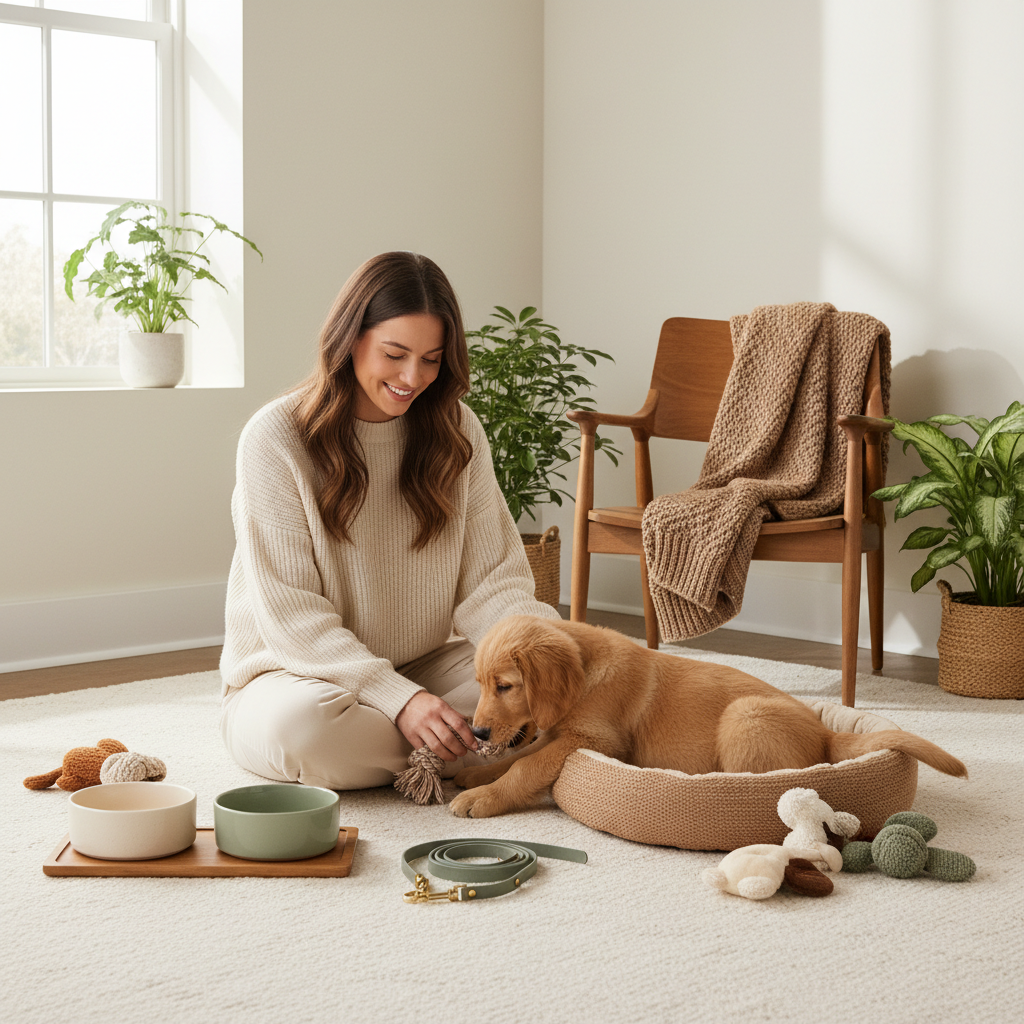
Get these ready before pickup day so the first hours are smooth:
- Food & water bowls (stainless steel is easy to clean)
- Age-appropriate food — ideally the same brand the breeder/shelter was using, to avoid stomach upset
- Collar, ID tag, and leash
- A comfortable bed or crate
- Puppy pads or newspaper for early toilet training
- Safe chew toys to soothe teething
- Gentle dog shampoo and a towel
- Poop bags for walks
Set up your vet first
Before anything goes wrong, know where you'll go. Find a trusted vet nearby, save their number, and book a first health check within the first week. (If you're in Delhi NCR, our Vet Directory lists clinics with ratings and directions.)
Puppy-proof your home
Dogs explore with their mouths. Walk through your home and:
- Tuck away electrical wires
- Move medicines, cleaning supplies and houseplants out of reach
- Remove small objects they could swallow
- Decide which rooms are off-limits at first
The first 7 days: keep it calm
Resist the urge to introduce your dog to everyone at once. The first week is about safety and trust:
- Keep the environment quiet and predictable
- Establish a feeding routine (same times each day)
- Start gentle toilet training — take them out after meals and naps
- Let them approach you; don't force interaction
- Begin learning their body language
Days 8–30: building a routine
Once your dog feels safe, start layering in structure:
- Feeding: consistent meals, measured portions
- Vaccinations: begin or continue the schedule with your vet
- Deworming: ask your vet about timing
- Basic training: name recognition, sit, gentle leash intro
- Socialisation: calm, positive exposure to new sounds and people
Don't forget the paperwork
Keep one place for your dog's records: vaccination dates, deworming, vet visits, weight, and any allergies. This single habit saves enormous stress later — especially during emergencies or boarding.
A gentle reminder
You will not get everything perfect, and that's completely okay. Dogs are forgiving and resilient. Focus on consistency, observation, and love — the rest falls into place.
If you'd like all of this organised into one simple system, our planner turns this entire checklist into a calm daily routine you can actually keep up with.
How did this feel to read?
Found this helpful? Share it with a fellow dog parent:
Keep your dog's care organized
The Complete Dog Care Planner turns all of this into one calm, simple routine you can actually stick to.